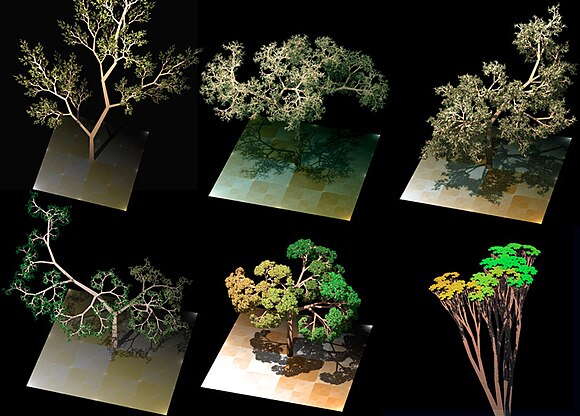
In computing, procedural generation is a method of creating data algorithmically as opposed to manually, typically through a combination of human-generated assets and algorithms coupled with computer-generated randomness and processing power. In computer graphics, it is commonly used to create textures and 3D models. In video games, it is used to automatically create large amounts of content in a game. Depending on the implementation, advantages of procedural generation can include smaller file sizes, larger amounts of content, and randomness for less predictable gameplay. Procedural generation is a branch of media synthesis.


No comments:
Post a Comment